

Artificial intelligence has moved beyond experimentation. Today, it helps small businesses automate repetitive work, improve customer support, create marketing content, analyze data, and reduce operating costs.
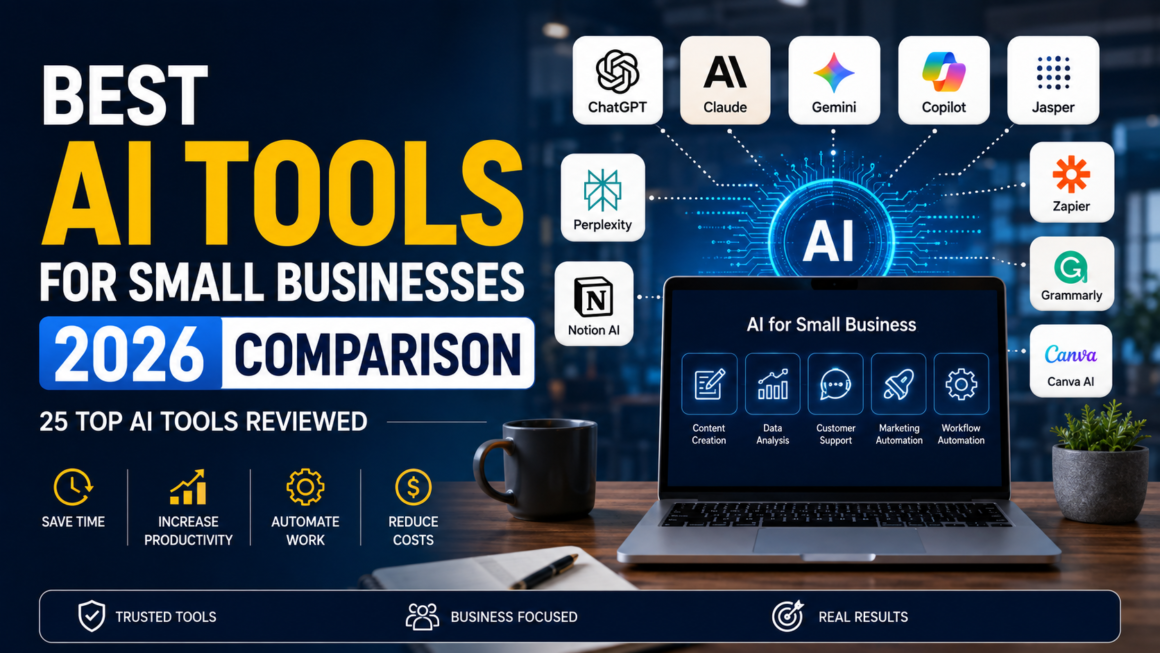
If you’re searching for the Best AI Tools for Small Businesses 2026 Comparison, the short answer is this:
- ChatGPT remains one of the most versatile AI assistants.
- Claude excels at long-form reasoning and document analysis.
- Gemini integrates deeply with Google Workspace.
- Microsoft Copilot is ideal for Microsoft 365 users.
- Perplexity is one of the best AI research assistants.
- Jasper specializes in marketing content.
- Notion AI improves knowledge management.
- Zapier AI simplifies workflow automation.
The right choice depends on your business goals, existing software, budget, and team size—not simply on which platform has the most features.
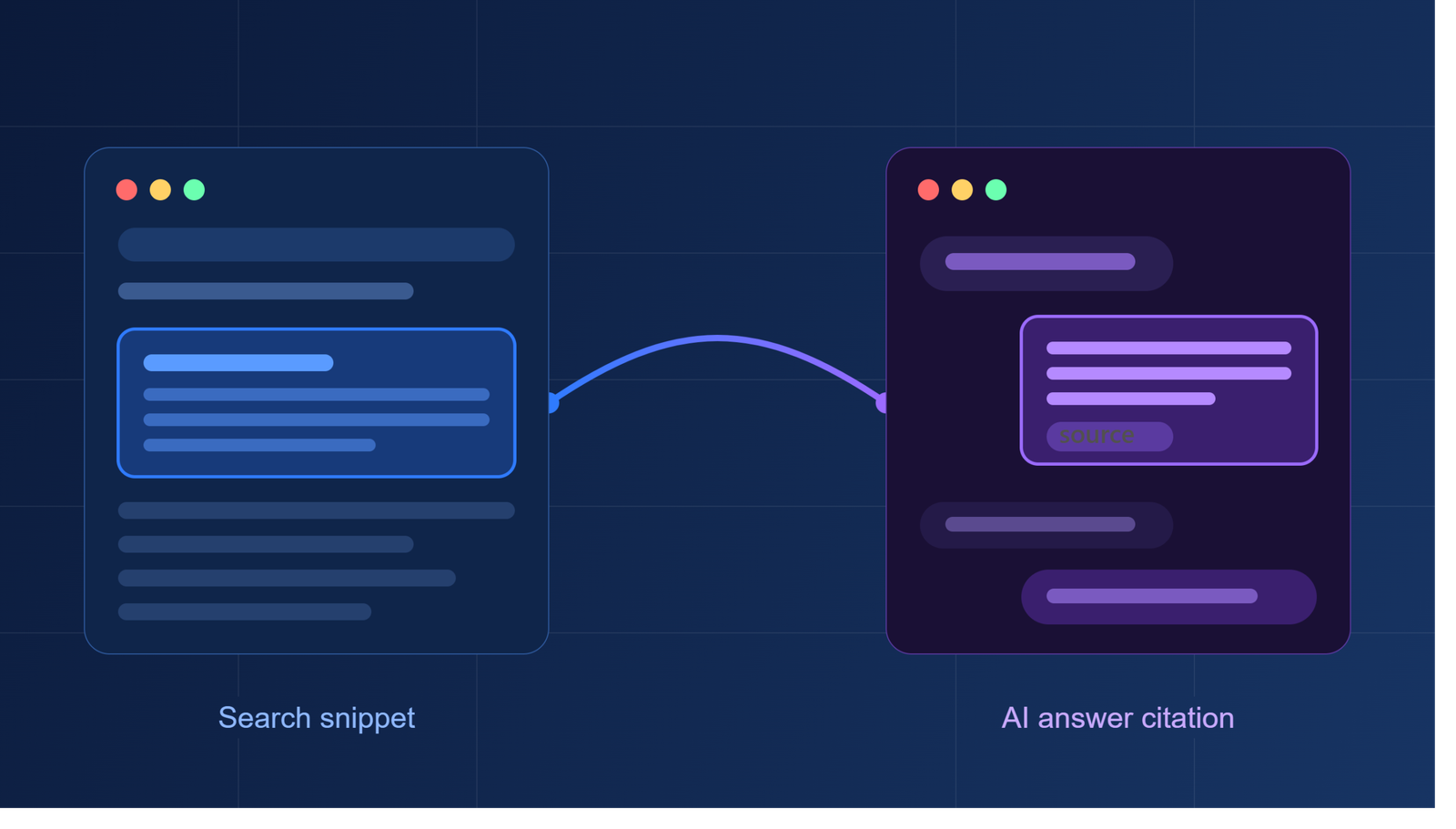
Featured Snippet
The Best AI Tools for Small Businesses 2026 Comparison includes leading AI assistants, automation platforms, marketing tools, and productivity software. ChatGPT offers the best all-around value, Claude is ideal for document-heavy businesses, Gemini works best inside Google Workspace, while Microsoft Copilot is the strongest choice for Microsoft-based organizations. Businesses should compare integrations, pricing, security, automation capabilities, and real-world use cases before making a decision.
Summary Box
| Category | Best Choice |
| Overall AI Assistant | ChatGPT |
| Best for Writing | Claude |
| Best Google Users | Gemini |
| Best Microsoft Users | Copilot |
| Best Research | Perplexity |
| Best Marketing | Jasper |
| Best Automation | Zapier AI |
| Best Knowledge Management | Notion AI |
Why AI Matters for Small Businesses
Running a small business often means handling marketing, customer service, accounting, operations, and sales with a limited team. AI helps by reducing manual work and enabling employees to focus on higher-value tasks.
Instead of replacing people, modern AI acts as a productivity multiplier.
Typical applications include:
- Writing emails
- Creating blog content
- Customer support
- Meeting summaries
- Proposal generation
- Market research
- Data analysis
- Social media planning
- Workflow automation
- Code generation
Businesses adopting AI strategically often see improvements in response times, operational efficiency, and employee productivity.
What Makes a Great AI Business Tool?
Choosing software isn’t about selecting the platform with the most features.
Evaluate these areas:
Ease of Use
Employees should become productive without weeks of training.
Integration
The software should connect with tools such as:
- Google Workspace
- Microsoft 365
- Slack
- CRM platforms
- Accounting software
- Marketing platforms
Security
Business information should remain protected through enterprise-grade privacy controls.
Automation
Look for AI that performs tasks—not just answers questions.
Scalability
Your AI solution should grow with your company.
Best AI Tools for Small Businesses 2026 Comparison
| Tool | Best For | Difficulty | Starting Price |
| ChatGPT | General business tasks | Easy | Paid plans available |
| Claude | Documents & writing | Easy | Paid plans available |
| Gemini | Google Workspace | Easy | Paid plans available |
| Microsoft Copilot | Microsoft 365 | Easy | Business subscription |
| Jasper | Marketing | Easy | Premium |
| Perplexity | Research | Easy | Free & Paid |
| Notion AI | Documentation | Easy | Add-on |
| Zapier AI | Automation | Medium | Subscription |
| Grammarly | Editing | Easy | Free & Paid |
| Canva AI | Design | Easy | Free & Paid |
ChatGPT
Best For
- Content creation
- Customer support
- Brainstorming
- Coding
- Data analysis
- Marketing strategy
Why Businesses Choose It
ChatGPT combines flexibility with an extensive ecosystem of integrations, custom GPTs, and automation capabilities.
Limitations
- Output should always be reviewed.
- Complex workflows may require integrations.
Claude
Claude performs exceptionally well when businesses work with:
- contracts
- SOPs
- research
- policy documents
- long reports
Its strength lies in thoughtful reasoning and maintaining consistency across large documents.
Best Use Cases
- HR documentation
- Legal review
- Internal knowledge bases
Gemini
Businesses already using Google Workspace benefit from Gemini’s native integration with:
- Gmail
- Docs
- Sheets
- Slides
- Meet
Instead of switching between applications, users can generate summaries, analyze spreadsheets, and draft emails directly within Google’s ecosystem.
Microsoft Copilot
Organizations relying on Microsoft 365 gain significant productivity improvements through Copilot.
It assists with:
- Excel analysis
- PowerPoint creation
- Outlook email drafting
- Word documents
- Teams meeting summaries
Jasper
Jasper focuses on marketing teams.
It provides:
- Campaign creation
- Landing pages
- Product descriptions
- Brand voice consistency
- SEO content
Businesses producing large volumes of marketing material often find Jasper saves considerable time.
Perplexity
Unlike traditional chatbots, Perplexity emphasizes research with cited sources.
Ideal for:
- competitor research
- industry trends
- fact verification
- market intelligence
Notion AI
Teams using Notion benefit from AI features such as:
- meeting summaries
- project planning
- documentation
- brainstorming
- task organization
Zapier AI
Automation remains one of AI’s highest-value applications.
Zapier AI connects thousands of business applications to automate repetitive processes.
Examples include:
- CRM updates
- Email automation
- Lead routing
- Customer onboarding
- Invoice notifications
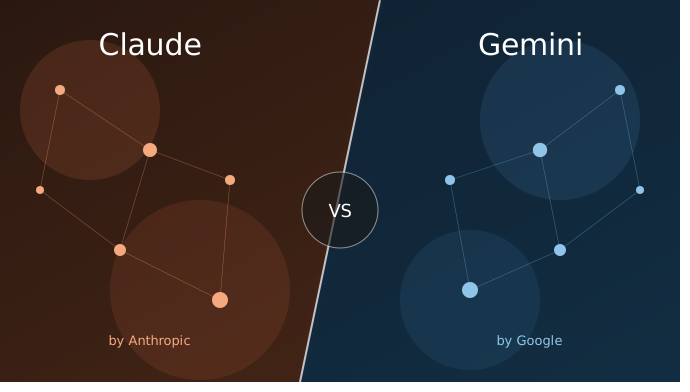
ChatGPT vs Claude for Business
Many buyers specifically compare these two platforms.
| Feature | ChatGPT | Claude |
| Creativity | Excellent | Very Good |
| Long Documents | Good | Excellent |
| Coding | Excellent | Very Good |
| Brainstorming | Excellent | Good |
| Business Writing | Excellent | Excellent |
| Research | Good | Very Good |
| Automation | Excellent | Moderate |
| Ecosystem | Extensive | Growing |
Which Should You Choose?
Choose ChatGPT if you need:
- versatility
- automation
- coding
- content marketing
- broad integrations
Choose Claude if your company frequently handles:
- lengthy documents
- contracts
- reports
- compliance materials
This is why ChatGPT vs. Claude for business continues to be one of the most common AI purchasing decisions.
Pricing Comparison
| Tool | Free Plan | Paid Plans |
| ChatGPT | Yes | Yes |
| Claude | Limited | Yes |
| Gemini | Limited | Yes |
| Copilot | No | Business Plans |
| Jasper | Trial | Premium |
| Notion AI | Limited | Add-on |
| Zapier AI | Limited | Yes |
| Grammarly | Yes | Premium |
Remember that pricing changes frequently. Always compare features alongside subscription costs before purchasing.
Step-by-Step Guide to Choosing the Right AI Tool
Step 1
List your repetitive business tasks.
Step 2
Identify existing software.
Step 3
Check available integrations.
Step 4
Estimate monthly AI usage.
Step 5
Compare security requirements.
Step 6
Run a two-week pilot with your team.
Step 7
Measure productivity improvements before full deployment.
Best Use Cases
Marketing Agencies
Recommended:
- ChatGPT
- Jasper
- Canva AI
Ecommerce
Recommended:
- ChatGPT
- Zapier AI
- Gemini
Professional Services
Recommended:
- Claude
- ChatGPT
- Notion AI
SaaS Companies
Recommended:
- Copilot
- ChatGPT
- Zapier AI
Local Businesses
Recommended:
- ChatGPT
- Gemini
- Canva AI
Who Should Use These Tools?
These platforms are particularly valuable for:
- startups
- freelancers
- agencies
- ecommerce stores
- consultants
- healthcare practices
- law firms
- educational organizations
- real estate companies
- local service providers
Pros
- Saves time
- Improves productivity
- Reduces repetitive work
- Better customer service
- Faster content creation
- Better research
- Scales efficiently
- Improves collaboration
Cons
- Learning curve
- Subscription costs
- Requires human review
- Privacy considerations
- Integration challenges
- AI output may occasionally contain inaccuracies
Alternatives
Depending on your requirements, you may also evaluate:
- Writesonic
- Copy.ai
- ClickUp AI
- Fireflies AI
- Otter AI
- Gamma
- Midjourney
- Synthesia
Common Mistakes Businesses Make
Buying Too Many AI Tools
Multiple overlapping subscriptions increase costs without improving productivity.
Ignoring Employee Training
Even excellent AI software delivers poor results when teams lack proper guidance.
Expecting AI to Replace Experts
AI works best when paired with human judgment.
Forgetting Security Policies
Businesses should establish clear AI usage guidelines before handling sensitive information.
Expert Tips
- Start with one AI platform before expanding.
- Build repeatable prompt libraries.
- Review AI-generated work before publishing.
- Automate repetitive processes first.
- Measure ROI every quarter.
- Train employees continuously.
- Use AI to augment—not replace—decision-making.
Best Practices for AI Adoption
Successful businesses typically follow a phased approach:
- Identify repetitive workflows.
- Select one or two AI platforms.
- Train a small pilot team.
- Measure time savings and accuracy.
- Expand AI usage across departments based on proven results.
This structured rollout reduces resistance, improves adoption, and helps teams realize value more quickly.
Internal Resources
If you’re exploring broader automation strategies, read our guide on Best AI Automation Tools for Small Businesses 2026.
For a complete roundup of leading platforms, see Best AI Tools for Small Businesses 2026.
If financial operations are your priority, our review of Best AI Tools for Small Business Accounting 2026 compares AI-powered bookkeeping, invoicing, and expense management solutions.
People Also Ask
Which AI tool is best for small businesses?
ChatGPT is the best overall choice for most small businesses because it supports writing, research, coding, customer support, and automation through a broad ecosystem of integrations.
Is Claude better than ChatGPT for business?
Claude is often better for analyzing long documents and policy-heavy work, while ChatGPT offers greater flexibility, automation options, and a wider range of business applications.
What is the best AI software comparison method?
Compare AI software based on integrations, pricing, security, automation capabilities, ease of use, scalability, and support rather than focusing on a single feature.
Can AI reduce operating costs?
Yes. AI can automate repetitive tasks, shorten response times, and improve employee productivity, helping many businesses lower operational expenses over time.
FAQs
Which AI tool offers the best value?
For most organizations, ChatGPT provides the strongest combination of features, integrations, and versatility.
Is AI suitable for very small businesses?
Yes. Even solo entrepreneurs can benefit from AI for content creation, customer communication, scheduling, and research.
How many AI tools should a business use?
Start with one or two platforms that solve your biggest operational challenges. Expand only when there is a clear business need.
How often should businesses review their AI stack?
Review your AI tools at least every six months to ensure they continue to meet business needs and integrate well with evolving workflows.
Key Takeaways
- Compare AI tools based on business outcomes, not feature counts.
- ChatGPT remains the strongest all-around business assistant.
- Claude excels in document-intensive environments.
- Gemini is ideal for Google Workspace users.
- Microsoft Copilot shines within Microsoft 365.
- Automation platforms like Zapier AI deliver significant efficiency gains.
- Security, integrations, and user adoption are as important as AI capabilities.
- Pilot new tools before committing to organization-wide deployment.
Final Verdict
After evaluating today’s leading platforms, the Best AI Tools for Small Businesses 2026 Comparison shows that there is no universal winner. ChatGPT stands out as the most versatile solution for a wide range of business tasks, Claude is a strong choice for document-heavy workflows, Gemini fits organizations built around Google Workspace, and Microsoft Copilot delivers exceptional value inside the Microsoft ecosystem.
The Best AI Tools for Small Businesses 2026 Comparison ultimately depends on your team’s workflows, software stack, security requirements, and budget. Rather than chasing the newest platform, focus on selecting tools that integrate seamlessly with your existing processes and solve real business problems. Businesses that start with clear objectives, train employees effectively, and measure results consistently are the ones most likely to achieve long-term success with AI.